EN

Chronology

Popular science journal

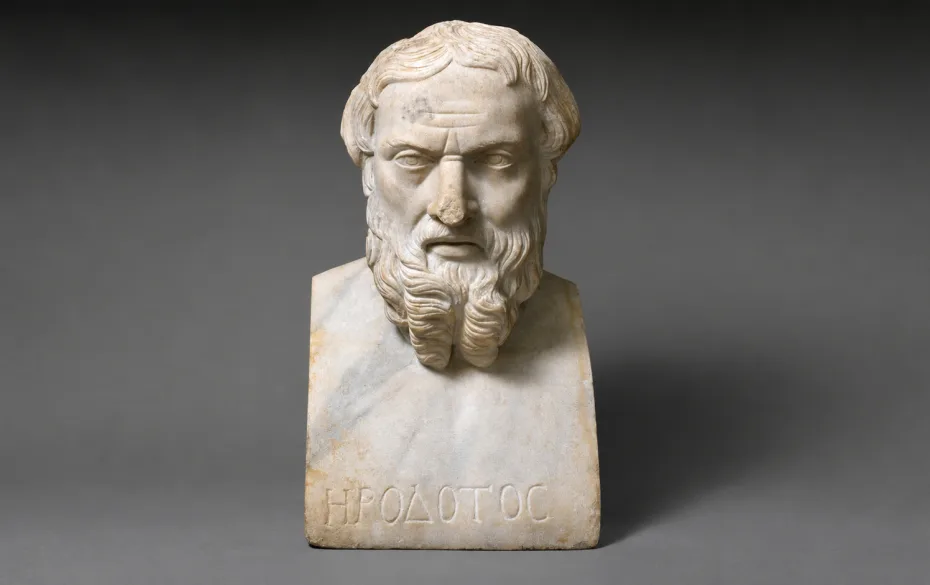
Herodotus

The great ancient Greek historian Herodotus lived from c. 484 to c. 425 BC in the city of Halicarnassus in Asia Minor. Herodotus is often called the "Father of History."

Read more: Herodotus
History Vol. 2 Jun 2026

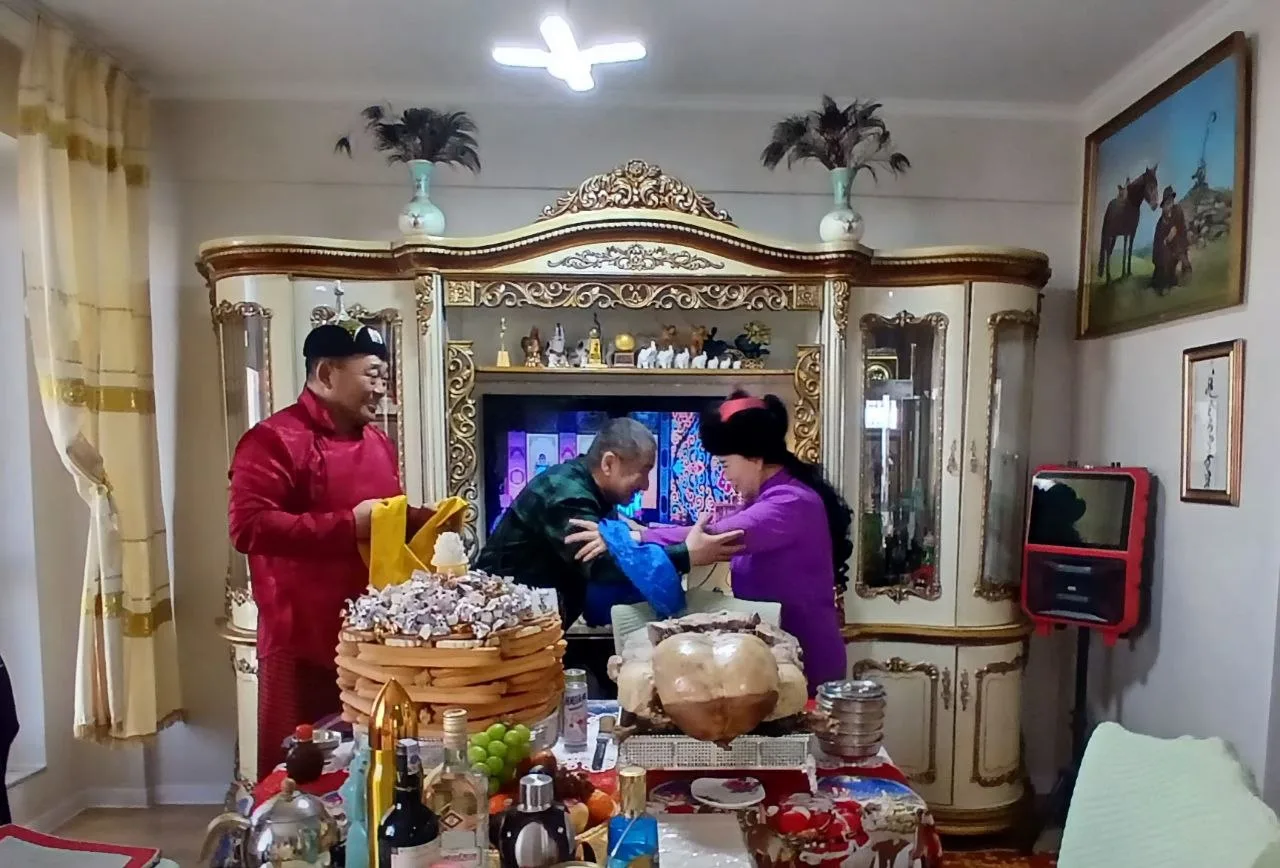
Tsagaan Sar

Tsagaan Sar is a solemn holiday of the Mongolian peoples, marking the beginning of spring and the New Year according to the lunisolar calendar.  Tsagaan Sar originates in the religious traditions of the Mongolian peoples and has been celebrated since ancient times

Read more: Tsagaan Sar
Culture Vol. 1 May 2026

Mongolian Naadam

The Mongolian Naadam is a “National Festival” that symbolizes the independence and sovereignty of Mongolia. The Mongolian Naadam dates back to the 1st - 2nd centuries BC, when the unified state of the Hunnic Empire was established. At that time, horses, wrestling, and martial arts were considered the beginning of a united state

Read more: Mongolian Naadam
Culture Vol. 1 May 2026

Hippocrates

Hippocrates was a prominent ancient Greek physician, traditionally called the "father of medicine." He had a profound influence on the development of medical science and medical ethics.

Read more: Hippocrates
Science Vol. 2 Jun 2026

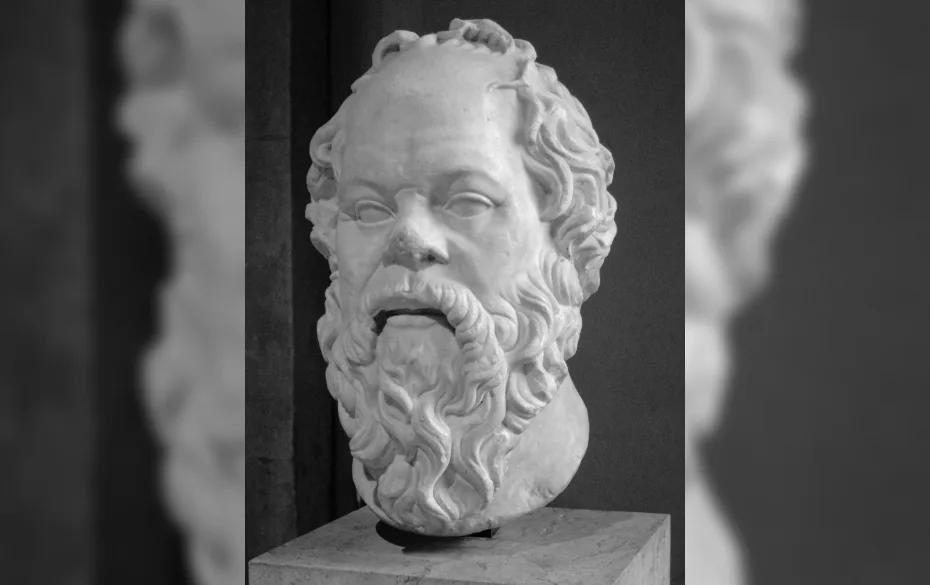
Socrates

The great ancient Greek philosopher Socrates, originally from Athens, lived from 469 to 399 BC. Socrates is one of the founders of the Western philosophical tradition.

Read more: Socrates
Science Vol. 2 Jun 2026

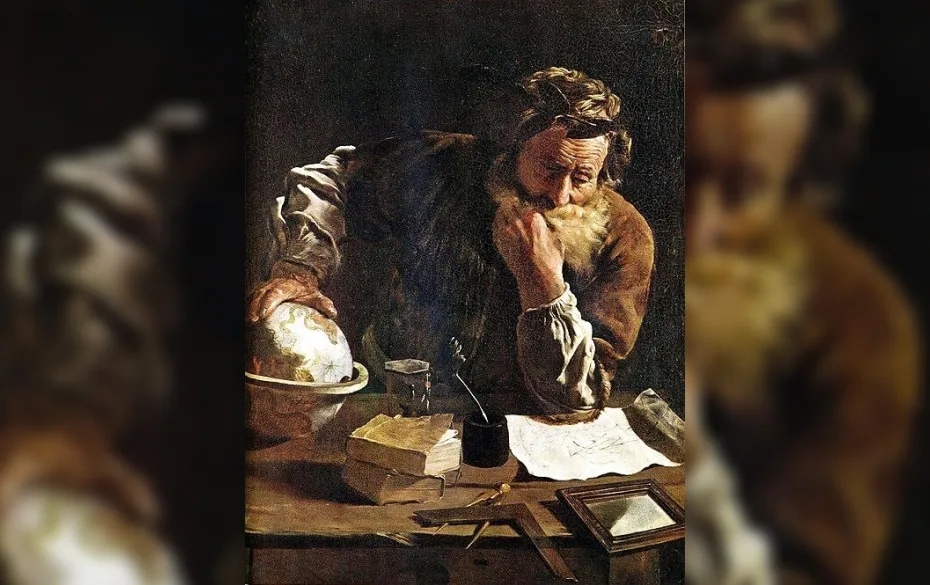
Archimedes

The great ancient Greek scientist, mathematician, physicist, mechanic, and engineer Archimedes lived from 287 to 212 BC in Syracuse. He laid the foundations of hydrostatics and classical mechanics, and was far ahead of his time in mathematical calculations

Read more: Archimedes
Science Vol. 1 May 2026

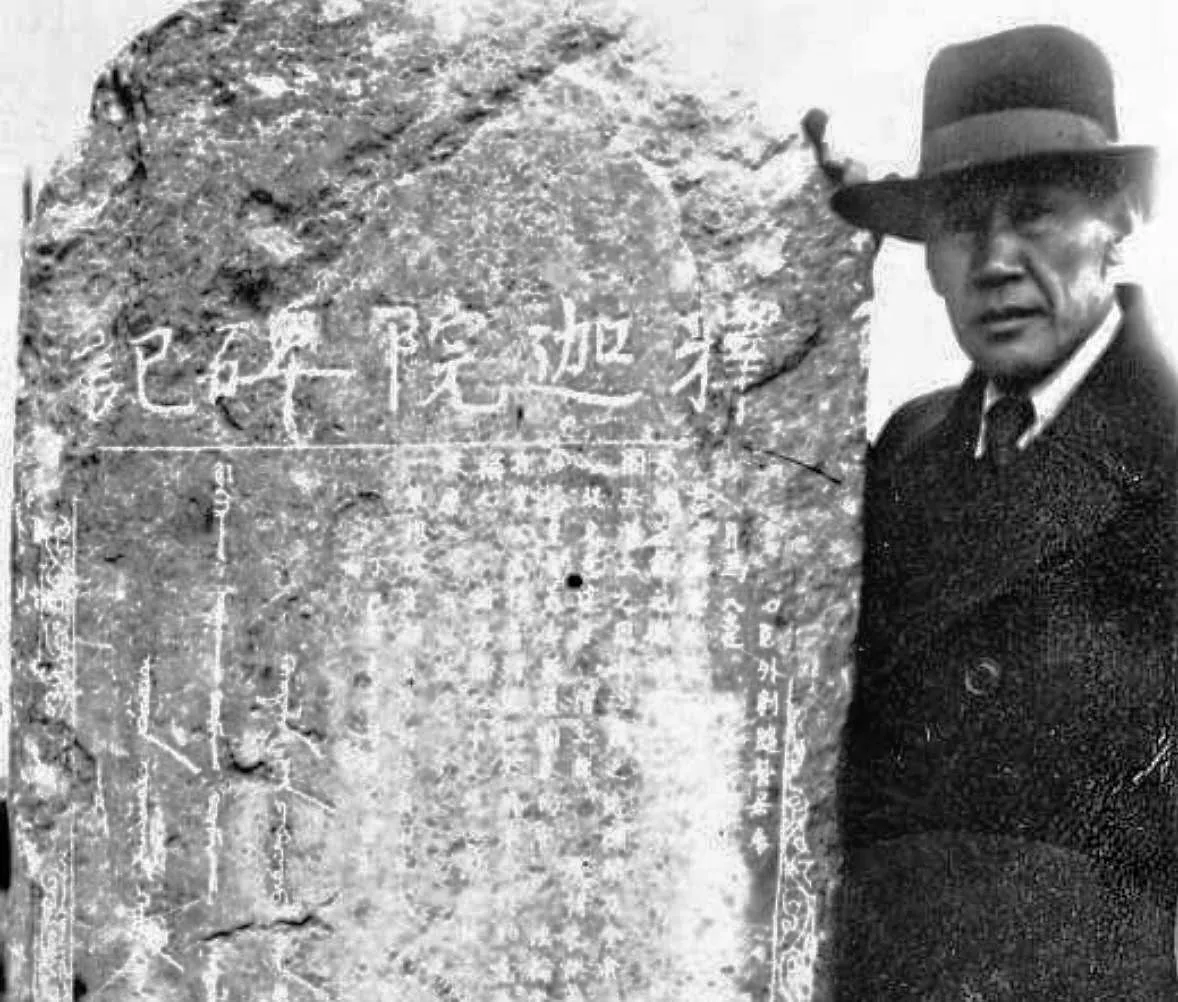
Chinggis City

The center of development in the eastern region of Mongolia, the birthplace of the great Genghis Khan — the center of Khentii aimag, Chinggis City is located in Kherlen soum

Read more: Chinggis City
World Vol. 2 Jun 2026